
Hurricanes can bring powerful winds, flying debris, heavy rain, and sudden pressure changes that can put homes and businesses at serious risk. Windows, doors, garages, patios, and other openings are especially vulnerable during a major storm. While traditional storm panels and shutters remain popular, property owners now have another option that is lightweight, reusable, and easier to store: hurricane fabric.
What Is Hurricane Fabric?
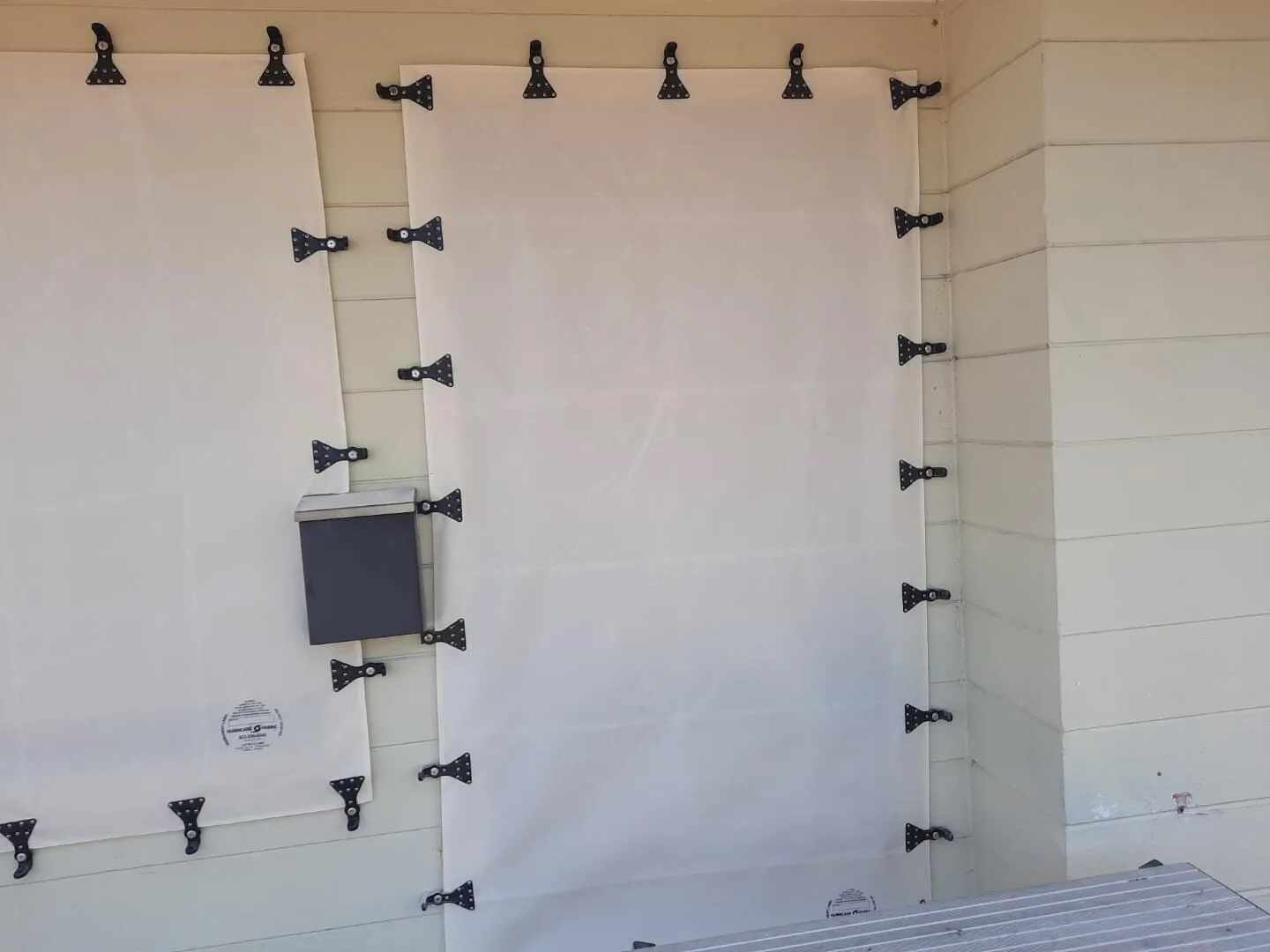
Hurricane fabric is a high-strength material designed to provide a protective barrier over vulnerable openings during hurricanes and tropical storms. Unlike rigid materials such as plywood or metal panels, the fabric is flexible and designed to absorb and deflect the energy from wind-borne debris. When properly installed, it can help reduce the chance of windows and doors being breached during severe weather.
For Florida homeowners, fabric hurricane protection can be a practical solution when they want reliable storm protection without installing heavy panels that require significant storage space. The material can be custom measured for different openings and removed when hurricane season or a storm threat has passed.
How Does Hurricane Fabric Work?
The basic idea behind hurricane fabric is different from a solid storm panel. Instead of simply acting as a rigid wall, the fabric is designed to absorb and distribute the energy created when debris strikes the protected opening. This helps create a protective barrier over windows, doors, and other vulnerable areas.
During a hurricane, an impact that breaks a window can allow wind and rain to enter the building. A breached opening can also contribute to pressure changes inside the structure. Properly installed hurricane fabric helps reduce these risks by covering vulnerable areas and helping maintain the building envelope during severe weather.
Where Can Hurricane Fabric Be Used?
One of the major advantages of hurricane fabric is its versatility. It is not limited to standard rectangular windows. Depending on the system and property, fabric protection can be designed for a variety of openings, including:
Windows
Exterior doors
Garage openings
Lanais
Patios
Porches
Carports
Large or irregular openings
This flexibility can be especially useful for homes with outdoor living spaces or large openings that may be difficult to protect with conventional storm panels.
Key Benefits of Hurricane Fabric
Lightweight and Easier to Handle
Traditional storm panels can be heavy and awkward to carry, especially when a homeowner needs to cover multiple openings before a storm. Hurricane fabric is considerably lighter, making it easier to handle during installation and removal. The lightweight design also makes storage more convenient when the system is not being used.
Convenient Storage
Storage can be a major consideration for Florida homeowners. Rigid panels can take up considerable space in a garage, shed, or storage room. Hurricane fabric can be folded or stored compactly, helping property owners avoid dedicating large areas of their home to storm protection equipment.
Impact-Rated Protection
Hurricane fabric systems are available in tested configurations designed to withstand wind-borne debris. West Shore Construction states that its hurricane fabric systems are tested to meet applicable Florida Building Code and Miami-Dade testing standards. Property owners should always confirm that the specific product and installation method meet the requirements for their location.
Reusable Protection
Hurricane fabric is not intended to be thrown away after one storm. Properly installed and maintained systems can be removed after a storm and stored for future use. This makes them a practical option for homeowners who want a reusable protection system rather than a temporary material such as plywood.
Minimal Impact on Appearance
Another benefit is that the system does not have to remain permanently visible. Once hurricane season or a storm threat has passed, the fabric can be removed and stored. This allows homeowners to maintain the normal appearance of their property when storm protection is not required.
Is Hurricane Fabric Better Than Traditional Storm Panels?
There is no single hurricane protection system that is perfect for every property. The right choice depends on the building, budget, size of the openings, installation requirements, and how quickly the protection needs to be deployed.
Traditional storm panels can provide a solid barrier, while motorized hurricane screens offer automated deployment and other convenience features. Motorized rolling shutters can provide a solid protective barrier along with additional security benefits. Hurricane fabric, on the other hand, focuses on lightweight manual protection that can be easier to handle and store.
For homeowners who do not want bulky panels or a permanently installed system, fabric can be worth considering.
Why Professional Installation Matters
The material itself is only one part of an effective hurricane protection system. Proper measurement, anchoring, fastener spacing, and installation are also important. A system that is not correctly secured may not perform as intended when exposed to extreme wind and debris.
Professional installation can help ensure that each opening is measured correctly and that the fabric is attached using the appropriate hardware and spacing. West Shore Construction notes that its systems are custom measured and installed according to applicable Florida Building Code requirements.
Homeowners considering a DIY system should carefully follow the manufacturer's installation instructions and verify local requirements before installation.
Can Hurricane Fabric Protect Large Openings?
Yes, hurricane fabric can be used for more than ordinary residential windows. Its flexibility makes it suitable for certain larger openings, including garages, patios, lanais, porches, and commercial spaces. The exact application depends on the product, dimensions, anchoring system, and applicable building requirements.
For larger or unusual openings, professional measurement can be particularly helpful. It ensures the protection system is designed around the actual dimensions and structure instead of relying on a one-size-fits-all solution.
What Should Homeowners Consider Before Choosing Hurricane Fabric?
Before investing in hurricane fabric, property owners should consider several factors. First, identify which openings are most vulnerable. Windows and exterior doors are obvious areas, but garages, patios, lanais, and other large openings may also need attention.
Next, consider how the system will be deployed. A manual system requires preparation before a storm, so homeowners should know where the fabric and hardware are stored and understand how everything is installed. It is also important to inspect the material and hardware periodically rather than waiting until a hurricane is approaching.
Finally, check local building requirements and product certifications. Florida has specific requirements for hurricane protection, and not every product or installation method will be suitable for every location.
Preparing Before Hurricane Season
Hurricane protection works best when it is planned before severe weather arrives. Waiting until a storm is approaching can make preparation more stressful and may leave homeowners with limited time to identify problems.
A simple preparation routine can include inspecting the fabric for damage, checking clips and anchors, confirming that all required hardware is available, and making sure the storage area is dry and accessible. Homeowners should also understand how long it takes to cover each opening so they can plan ahead when a storm warning is issued.
Is Hurricane Fabric a Good Choice for Your Property?
Hurricane fabric can be an attractive option for Florida homeowners and businesses looking for lightweight, reusable storm protection. Its ability to cover windows, doors, patios, garages, and other openings gives it flexibility that may not be available with some rigid protection systems.
The most important factor is choosing a properly tested product and installing it according to applicable requirements. A professional assessment can help determine whether hurricane fabric is appropriate for your property's design, location, and specific storm protection needs.
West Shore Construction provides hurricane fabric systems for residential and commercial properties throughout Clearwater, Tampa Bay, and surrounding West Central Florida communities. The company offers both professional installation and custom-cut DIY options.
For property owners preparing for Florida's hurricane season, understanding the available protection options is an important first step. Hurricane fabric offers a combination of strength, flexibility, convenient storage, and ease of handling that makes it worth considering as part of a complete storm preparedness plan.
Write a comment ...